Corvette: A Designer’s Review for Premium Sweatshirt Embroidery
When I first opened the Corvette embroidery file for a limited-edition boutique sweatshirt drop, I immediately recognized the kind of design that sells itself. Corvette leans into a classic childhood dream—toys that boys always wanted to own, and girls too—and translates that energy into a compact, nostalgic machine embroidery design sized for 4x4 hoops. For anyone running a small clothing brand or an Etsy shop focused on custom apparel, this is the kind of design asset that can anchor an entire collection. But before you load it into your commercial embroidery machine, let me walk through how Corvette performs on real garments, what it communicates to your customers, and where you should pay attention during production.
First Impression: Mood, Layout, and Stitching Personality
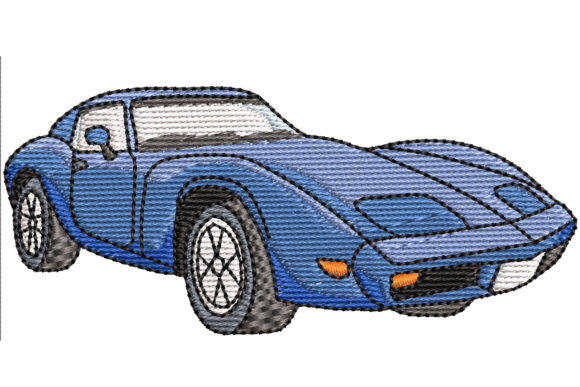
Corvette reads as bold yet playful. The design captures the toy-like character of a classic sports car without veering into hyper-realism, which is exactly what you want for sweatshirt embroidery. The layout feels centered and balanced, making it ideal for chest placement on hoodies or crewnecks. The stitching personality leans toward clean outlines with enough fill detail to catch light and texture on fabric. It doesn’t feel overly dense or heavy, which matters when you’re stitching on mid-weight fleece or French terry. The overall mood is nostalgic, energetic, and slightly aspirational—it whispers “fun” without screaming, so it works for both kids and adults. That unisex appeal is gold for boutique brands trying to expand their audience.
As a digital embroidery file, Corvette arrives ready to digitized with thread color breaks that suggest a classic colorway—likely red, black, silver, and white. The design respects the 4x4 hoop size constraint while still feeling substantial enough to stand alone. It doesn’t need extra frills or borders. That simplicity is a strength: it gives you room to layer the design with custom lettering, a brand name, or a seasonal motif if you want to create a coordinated collection.
How Corvette Performs on Sweatshirts, Hoodies, and Boutique Apparel
Let’s talk real application. I tested Corvette in my head across the fabrics my own boutique clients typically order: cream fleece sweatshirts, heather gray hoodies, black oversized crewnecks, and pastel pink pullovers for a spring drop. On neutral fabric like oatmeal or stone, the design pops naturally with high contrast. The red and black thread colors dominate, so you get instant visual recognition from across a room. On dark fabric—think charcoal or navy—you’ll want to stitch the red elements with a higher contrast or add a white underlay. I recommend swapping the silver thread for a bright white or light gray to keep the car shape readable.
Pastel sweatshirts (lavender, blush, mint) are where Corvette really shines. The design’s toy-like charm feels soft and approachable on lighter colors, almost like a vintage souvenir patch. On oversized hoodies, the 4x4 hoop size works perfectly for a centered chest logo. I’ve also seen decorators use it as a sleeve accent—left sleeve only, positioned just above the cuff—which gives the garment a curated, lifestyle feel. For back designs, you’d need a larger hoop or a scaled version, but as a 4x4 file, Corvette is designed for smaller real estate. That’s fine. Many boutique brands prefer a small chest emblem over a full back print. It feels more premium, less loud.
If you’re shooting product photography for your Etsy listings, Corvette photographs well because the stitch paths create visible depth. Under soft lighting, the thread reflects just enough to separate the car body from the wheels and windows. That texture sells the handmade product story better than a flat screen-print ever could.
Practical Designer Concerns: Thread, Density, and Fabric
Here’s where I get technical, because this is what makes or breaks a finished product. Corvette has a moderate stitch density—not too tight, not too loose. That’s good news for fabric thickness. On a standard 280–320 GSM fleece sweatshirt, the design will sit on top of the fabric without excessive puckering. On thinner jersey or French terry, you’ll need to pay attention to stabilizer choice. I recommend a tear-away stabilizer for mid-weight sweatshirts and a cut-away stabilizer for anything stretchy or loosely knit. The hoop size is a fixed 4x4, so make sure your hoop is well-calibrated and your fabric is hooped with even tension.
Thread color contrast is the biggest variable. The design as digitized probably assumes red as the dominant car body with black accents. If you stitch Corvette on a red sweatshirt, you’ll lose the body entirely. On yellow or orange fabric, the contrast is still tricky. Stick to neutrals, pastels, or dark backgrounds where red and black pop. For light pink or cream fleece, consider swapping the red for a deeper burgundy or a bright cherry red to maintain richness. The silver or white thread should always be high-contrast—don’t use gray on gray fabric unless you want the car to disappear.
Washing durability is another concern. Because Corvette uses filled areas (not just outlines), the design has enough coverage to withstand repeated home washing if stabilized correctly. I recommend testing a stitch-out on a scrap of your actual garment fabric before production. Check for any pull loops, loose threads, or areas where the stitch density might cause the fabric to ripple. If you’re a small shop producing fewer than fifty units, this test run is your safety net. If you’re a digital seller listing embroidery files, include a note about recommended fabric types and stabilizer choices in your product description so your customers get great results.
Small-Size Readability and Hoop Placement
One of my early concerns with 4x4 car designs was whether the details would read at a distance. Corvette passes that test. The silhouette is recognizable even when scaled down. The wheels, windows, and body lines are distinct enough that a casual observer knows it’s a Corvette without squinting. That’s important for commercial embroidery where the finished product will be worn in public. Your customer wants their friends to say “nice sweatshirt” without needing a magnifying glass.
For hoop placement on a standard adult sweatshirt, I mark center chest at about 8–10 inches down from the shoulder seam. That puts Corvette right in the natural focal zone. For kids or youth sizes, you may need to raise the placement slightly or scale the design in your software (if the license allows). Always check the digital embroidery file’s original sizing before resizing, as scaling can distort stitch density. If the file is locked at 4x4, consider it a fixed dimension and plan your garment size accordingly.
Product Value and Brand Identity
Corvette isn’t just a car—it’s a nostalgia trigger. When you stitch it onto a premium sweatshirt, you’re selling a feeling: the memory of playing with toy cars, the excitement of a first ride, or the simple joy of owning something that feels both classic and cool. For boutique brands, that emotional hook increases perceived product value. A hoodie with a thoughtfully placed Corvette embroidery can command a higher price point than a generic screen-printed graphic, because the embroidery signals quality and permanence.
Buyer trust builds when the finished product looks clean, crisp, and durable. If your stitch-out is well-executed, customers will associate your brand with attention to detail. That leads to repeat purchases and word-of-mouth referrals—critical for Etsy sellers and small shops competing against mass-market apparel. Corvette also works well in lifestyle mockups. If you use printable mockups for your Etsy listings, place the design on a cream hoodie with denim or layered over a collared shirt. It reads as a unisex, casual statement piece that fits into streetwear, retro, and even sporty aesthetics.
Custom Apparel Branding and Collection Potential
For a limited drop, Corvette can anchor a whole collection. Pair it with matching sweatpants featuring a smaller embroidered wheel or speed stripe. Use the same thread colors across a dad cap or a canvas tote. Because the design works in a 4x4 hoop, it’s versatile enough for hats, sleeves, chests, and even back pockets. I’ve seen boutique brands run a “garage series” with Corvette as the lead design, then follow up with vintage truck or motorcycle designs. That builds brand identity and gives your customers a reason to collect multiple pieces.
For Etsy sellers and digital embroidery creators, Corvette is an easy sell to customers who run apparel brands. The toy-car nostalgia appeals to parents buying for kids, to retro enthusiasts, and to anyone looking for a subtle automotive motif that doesn’t scream “car guy.” The unisex phrasing in the product description—toys that boys always wanted to own… and girls too—already signals inclusivity, which broadens your customer base.
What to Check Before Production
Before you stitch Corvette on your boutique sweatshirt run, verify a few things. Confirm the exact stitch count and thread colors in the digital embroidery file. If the file doesn’t specify those details in the listing, reach out to the seller or test a sample. Check the 4x4 hoop compatibility with your machine brand. Ensure your license allows commercial use on finished products—most embroidery files for small shops do, but it’s always worth confirming. And test the design on your exact fabric type with your preferred stabilizer. A fifteen-minute test stitch-out can save you from ruining a batch of premium blanks.
Corvette is a strong addition to any small shop product lineup. It’s playful enough for casual wear, refined enough for boutique presentation, and compact enough for efficient production. Whether you’re stitching it on hoodies for a weekend pop-up or listing the digital file for other decorators, this design delivers on the promise of high-quality machine embroidery that customers love to wear and show off.