Duck Design Review for Small Business Merch
As an embroidery designer who has spent years digitizing artwork for shops, cafés, and handmade brands, I have learned that a good design must earn its place on a cap, apron, or patch. When I first looked at the Duck Design machine embroidery file, my immediate reaction was curiosity. Ducks are familiar, approachable, and carry a rustic charm that works well for local businesses. But the real question for any small business owner or apparel decorator is whether this design performs under the needle and holds up in daily use. After reviewing the file format options and thinking through real production scenarios, I want to share my honest assessment of Duck Design for branded merchandise, embroidered patches, and commercial embroidery projects.
First Impressions of Duck Design for Branded Merch
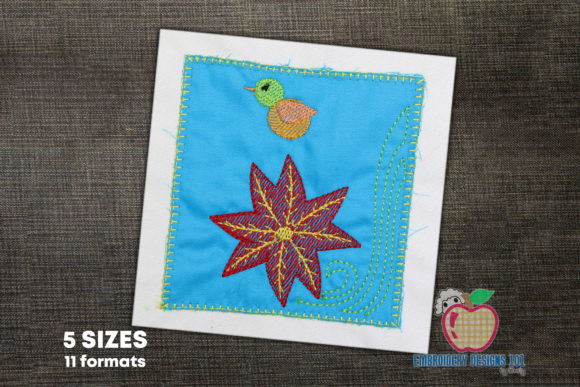
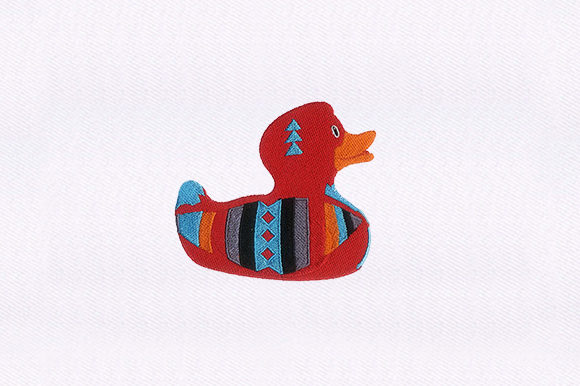
The Duck Design reads as friendly and approachable, but it does not feel overly cartoonish or childish. This is crucial for small businesses that want to project warmth without sacrificing professionalism. For a bakery, florist, pet supply shop, or creative studio, this design strikes a balance between playful and polished. The title alone suggests a single duck motif, which can serve as a hero element on a chest logo, a subtle accent on a sleeve, or a standalone embroidered patch for tote bags and aprons. The availability of multiple embroidery file formats including 10O, ART, CND, DSB, DST, DSZ, EXP, HUS, JEF, PCS, PEC, PES, TAP, VIP, VP3, and XXX means that most commercial machines and home embroidery systems can read it without conversion issues. That alone saves time and reduces frustration during setup.
From a brand identity perspective, the Duck Design feels grounded and artisan. It does not try to be overly trendy, which is actually a strength. Small business merch that leans too heavily on fleeting styles can look dated within a season. A well-executed bird motif, especially a duck, can remain relevant across product lines for years. I would describe this design as rustic, friendly, and versatile — ideal for businesses that want their custom apparel to feel handmade and genuine rather than mass-produced.
How Duck Design Performs in Real Business Use
When evaluating any machine embroidery design for commercial use, I think about three things: stitch density, thread color flexibility, and fabric compatibility. The Duck Design, being a bird motif from the Birds category, likely uses a combination of satin stitches, fill stitches, and perhaps some outline work. If the digitizing is clean, the design should sew out smoothly on medium-weight fabrics like twill aprons, cotton caps, and polyester blend work shirts. For an embroidered patch application, the design would need to be digitized with a secure underlay and enough density to cover the patch substrate without distorting.
For apron embroidery, especially in a café or bakery setting, the Duck Design could be placed on the chest or lower right corner of a bib apron. The friendly nature of the duck makes it a natural fit for businesses that serve food, coffee, or baked goods. Customers associate ducks with comfort, nature, and simplicity — all of which translate well into brand trust. On tote bags, the design works as a centerpiece or a small accent near the handle. Tote bag embroidery often requires designs that are not too dense, because tote fabric can be thick and textured. If the Duck Design has moderate stitch counts and avoids excessive layering, it should sew well on cotton canvas or jute tote bags.
Cap embroidery is where many designs fail. The curved surface of a cap front demands a design that is not too wide and does not have tiny details that will distort during hooping. A duck motif that is sized appropriately for a cap front — roughly two to three inches in width — can look excellent if the digitizer accounted for the curve. I recommend testing the Duck Design on a cap mockup before committing to a full run. Similarly, for sleeve details on uniform shirts, the design should be scaled down carefully. A small duck patch on a sleeve can be a subtle branding element that customers notice up close.
Duck Design for Handmade Product Labels and Etsy Branding
For Etsy sellers and handmade product creators, the Duck Design can be used beyond apparel. Embroidered patches featuring the duck can be sewn onto tote bags, pouches, aprons, or even framed as decorative items. Small business owners who sell at markets or pop-up events often use embroidered patches as merchandise add-ons. A duck patch sewn onto a canvas pouch or used as a product label accent adds a handmade touch that buyers appreciate. The design also works well as a printable mockup element — you can test it on digital product images before producing physical samples. This is a cost-effective way to gauge customer reaction before investing in production.
Because the file comes in so many embroidery formats, you can also share the design with contract embroiderers or local shops without worrying about compatibility. This flexibility is a major advantage for small business owners who do not own an embroidery machine but want to produce branded merchandise through a third party. The commercial embroidery workflow becomes much smoother when the file is ready to load and stitch without re-digitizing.
Where to Use Duck Design Carefully
No design is perfect for every application, and the Duck Design has limitations that business owners should consider. If the design is highly detailed — with small eyes, fine beak outlines, or intricate feather textures — it may not reduce well for small patch sizes. A cap front or sleeve accent that is under two inches wide could lose legibility. I always advise testing the design at the intended stitch size before mass production. If you plan to use the duck on dark uniforms, check the thread color contrast carefully. A dark navy or black fabric may require a lighter thread palette to make the duck pop. Similarly, high stitch density can cause puckering on lightweight fabrics like dress shirts or performance wear. For those applications, consider using the design as an embroidered patch rather than stitching directly onto the garment.
Frequent washing is another factor. Items like aprons, caps, and tote bags see heavy use and regular laundering. If the Duck Design has excessive thread trims or loose jumps, it may fray over time. Proper stabilizer choice is critical here. A tear-away stabilizer works for stable fabrics, but for stretchy or textured fabrics, a cut-away stabilizer will prevent distortion. I recommend testing a sew-out on the exact fabric you plan to use, with the same stabilizer and thread, before finalizing your order.
Brand Identity and Customer Trust
Every embroidered piece your business produces is a touchpoint for your brand. A well-executed duck motif can communicate warmth, approachability, and attention to detail. Customers who see a clean, professional embroidery design on an apron or cap are more likely to trust the quality of your products or services. Conversely, a design that sews out with gaps, puckers, or uneven thread tension can undermine that trust. The Duck Design has strong potential to enhance brand identity if it is digitized correctly and applied with care. For a local café, a duck logo on staff aprons creates visual consistency and makes the team look cohesive. For a pet brand, a duck motif connects to nature and animals, reinforcing the brand story. For a handmade shop, the design adds a personal, crafted feel that resonates with buyers looking for authentic products.
One practical tip: before using the Duck Design for any commercial embroidery projects, confirm the licensing terms. Many digital embroidery files come with restrictions on resale or mass production. If you are using the design for merchandise that you sell, make sure your license covers commercial use. This is a step that many small business owners overlook, but it protects both you and the designer.
Embroidery Designer Notes and Production Checklist
Before you stitch the Duck Design on your final products, here are the steps I always follow when reviewing a new machine embroidery design for business use:
- Test it in black and white first. Stitch a sample using basic thread colors to evaluate density, underlay, and overall shape. Black thread on white fabric reveals gaps and jump stitches clearly.
- Check if it works at small patch size. Scale the design down to the size you need for caps, sleeves, or small patches. If fine details disappear, consider a simpler version or use the design at a larger scale.
- Review thread color contrast. Choose thread colors that stand out against your base fabric. For dark fabrics, use bright or light thread colors. For light fabrics, deeper tones create definition.
- Inspect spacing and object overlap. Look for areas where satin stitches touch fill stitches without a gap, which can cause thread breaks. Good digitizing accounts for this, but it is worth verifying.
- Confirm hoop size. The Duck Design must fit within your available hoop dimensions. If the design is larger than your hoop, you may need to reposition or resize it.
- Test on real fabric. A test sew-out on the exact fabric you plan to use — twill, canvas, cotton, or polyester — reveals how the design behaves. Fabric texture affects stitch quality.
- Use proper stabilizer. Match the stabilizer to the fabric weight and design density. Cut-away for knits and stretch fabrics, tear-away for stable wovens.
- Create a mockup for client approval. If you are producing merchandise for a client, show a digital mockup of the Duck Design on the actual product. This prevents misunderstandings and builds trust.
- Compare beside other design assets. If your brand already has existing embroidery designs, compare Duck Design to them for consistency in style, scale, and thread palette.
- Confirm commercial licensing. Ensure the license allows you to use the design on merchandise you sell. If not, contact the designer or purchase an extended license.
The Duck Design is a solid choice for small business merchandise, embroidered patches, and branded apparel. It brings a friendly, rustic personality that suits cafés, bakeries, florists, pet brands, creative studios, and handmade shops. With proper testing, scaling, and stabilizer selection, this machine embroidery design can become a reliable part of your design assets. Whether you stitch it onto aprons, caps, tote bags, or product labels, the duck motif offers versatility and warmth that customers notice. Take the time to test it thoroughly, and you will have a finished product that elevates your brand identity and builds customer trust with every stitch.