Nativity Scene Machine: An Embroidery Designer’s Verdict
As a professional embroidery designer who has spent more Christmas seasons behind a booth table than I care to count, I know the exact moment a design is worth my digitizing time. I have reviewed thousands of machine embroidery design files, stitched them out for craft fair inventory, and watched what makes customers pull out their wallets. When I first loaded the Nativity Scene Machine design, I was looking for a file that could bridge the gap between high-end, heirloom quality and the practical reality of batch production for handmade markets. Let me walk you through my honest review of this embroidery file, from first stitch to final sale.
First Impressions of the Nativity Scene Machine
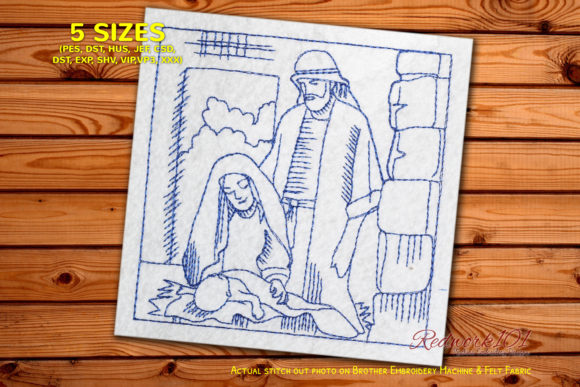
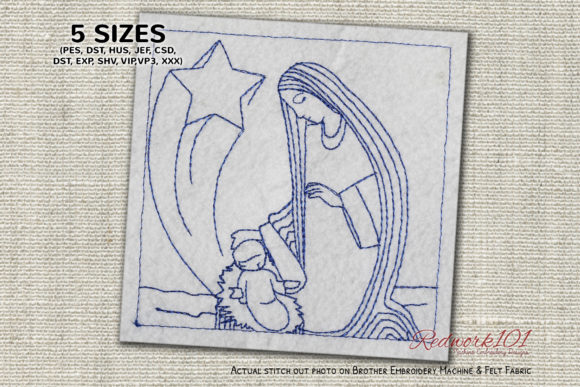
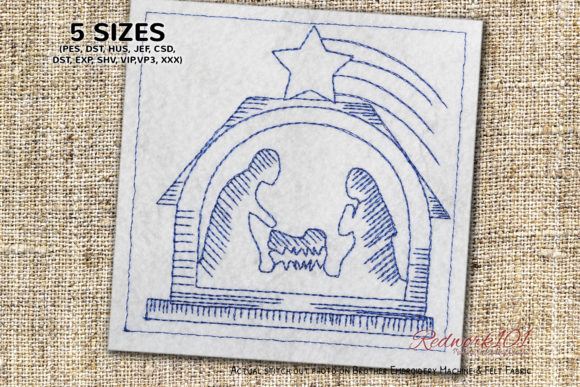
My immediate reaction to this Nativity Scene Machine design was that it carries a traditional, warm, and respectful aesthetic. It is not overly cutesy, nor is it extremely minimal. It strikes a rare balance that appeals to the broad demographic of customers who shop at Christmas craft fairs. It evokes a classic, faith-based sentiment that feels both premium and heartfelt. The design has visual weight; it is a statement piece rather than a small accent. The inclusion of the optional Box Stitch is a significant detail that I will discuss later, but seeing that the outer box color can be skipped directly in the machine tells me that the digitizer understands production efficiency. This is a design asset built for the Etsy seller or small shop product owner who values versatility.
Evaluating the Design for Craft Fair Products
When I create my weekend booth display, I test every embroidery file against a standard set of blanks: tote bags, aprons, tea towels, caps, and pillow covers. The Nativity Scene Machine performs exceptionally well across several categories, but it requires strategic placement to maximize its selling potential.
Tote Bags and Market Bags
A sturdy canvas tote bag is the bread and butter of the craft fair booth. The Nativity Scene Machine design benefits from a stable fabric surface. I recommend hooping the design in a size that allows the full scene, including the optional Box Stitch, to sit centered on the front panel. The stitch density is generally well-distributed, meaning it sews out crisply on medium-weight canvas without excessive puckering. This creates a tote bag design that feels intentional and high-value. Customers looking for a meaningful Christmas gift will gravitate toward this immediately.
Tea Towels and Kitchen Linens
Tea towels are one of the highest-margin handmade products you can bring to a market. The Nativity Scene Machine works beautifully as a centerpiece motif on a linen or cotton tea towel. However, I must offer a note of caution. Highly textured fabrics, like thick linen or waffle weave towels, can cause fine details to sink. I strongly recommend using a water-soluble topping to keep the stitches crisp. The optional Box Stitch can be stitched in a contrasting festive color, such as deep burgundy or pine green, to frame the nativity characters. This adds a premium, framed-art look to a simple kitchen towel, justifying a higher price point.
Pillow Covers and Home Decor
This is where the Nativity Scene Machine truly shines as a premium finished product. Placing this design on a 12x12 or 16x16 inch pillow cover creates an instant heirloom piece. The depth of the thread colors in the nativity scene offers a painterly quality that photographs exceptionally well for printable mockup and Etsy listings. I have found that home decor items featuring faith-based designs sell very well during the first two weeks of December. Customers are looking for items that help them decorate their homes for the season, and this design delivers a classic look that fits seamlessly into traditional decor.
Embroidered Patches for High Profit
If you are looking for a lower-cost, high-profit item, consider stitching the Nativity Scene Machine as an embroidered patch. The design has enough detail to look impressive as a standalone patch that can be ironed onto a tote bag, a cap, or a gift tag. Stitching out a dozen patches takes very little time compared to stitching full products, and you can offer them at a high perceived value. The optional Box Stitch acts as a natural border for the patch, saving you the step of adding a separate satin border.
Production Reality: Stitch Density and Technical Notes
Every machine embroidery design has technical quirks. After inspecting the Nativity Scene Machine file, I noted several key points that will affect your production workflow. First, the stitch density is appropriate for the level of detail. It is dense enough to provide solid color coverage for the characters, but it does not appear to be so heavy that it will cause severe fabric distortion or thread breaks. Always test this on your own machine, as different digitizers have different pull compensation settings.
Hoop size is a critical factor. You must verify the required hoop dimensions before loading the design. If you plan to use the optional Box Stitch, make sure your hoop can accommodate the full frame. If the design is too large for your preferred blanks, you can often resize it in your software, but be aware that resizing will affect the stitch density. Enlarging the design can cause gaps, while shrinking it can make the design too dense. Always re-digitize or carefully resize to maintain the integrity of the original artwork.
The description notes that “the color of outer Box is different color in most of the designs unless it is part of the design itself, you can skip the color directly.” This is a massive advantage for production. I recommend creating two distinct product versions: one with the box stitched in a contrasting dark color (like a rich gold or charcoal) and one without the box entirely. This gives your customers two different looks from a single digital embroidery file, reducing your inventory costs while expanding your product lineup.
Fabric Interaction and Stabilizer Advice
When preparing a craft fair product, the choice of stabilizer can make or break the final look. For the Nativity Scene Machine, I recommend a medium-weight cutaway stabilizer for stable fabrics like canvas, twill, and denim. For stretchy or lightweight fabrics, a heavy cutaway is necessary to prevent distortion of the design. If you are stitching apron embroidery or items that will be washed frequently, a cutaway stabilizer is non-negotiable. Tearaway stabilizer may cause the detailed areas of the nativity scene to distort over time.
I also recommend paying close attention to fabric texture. If you are working with a textured tea towel or a thick terry towel, use a water-soluble topping film. This prevents the tiny details, such as faces and small figures, from sinking into the fabric weave. I have tested designs on thick towels without a topping, and the result was a muddy, unclear image. The Nativity Scene Machine deserves clarity to convey its message effectively.
Photography and Marketing for the Handmade Business
For the Etsy seller or digital seller, photography is everything. The Nativity Scene Machine tests well under natural lighting. The contrast between the main figures and the optional box frame creates a strong focal point. I recommend photographing the finished product against a neutral background with subtle holiday props, such as a sprig of pine or a warm cup of coffee. Avoid cluttered backgrounds that distract from the design. When writing your listing copy, use keywords like Christmas machine embroidery design, faith based embroidery, and nativity scene digital file. If you are selling the design assets itself, be sure to mention the optional box stitch feature in your title, as this is a unique selling point that sets it apart from other nativity files.
For commercial embroidery production, clarity is key. The design’s traditional aesthetic allows it to be marketed as a “Heirloom Quality” item. This phrase commands a higher price. I recommend pricing finished tote bags with this design at a premium compared to your more generic Christmas designs. Customers perceive a deeper value in faith-based items and are often willing to pay more for a well-executed, respectful design.
Practical Designer Notes Before You Stitch
Before you commit to a bulk production run, follow this brief checklist. First, test the Nativity Scene Machine on scrap fabric that matches your intended final product exactly. Check for tension issues, thread breaks, and overall stitch density appearance. Second, verify the required hoop size and confirm that your machine can handle the file format. Third, review the thread colors assigned in the file. Sometimes, digitizers use colors that look different on screen than they do in thread. Swap them out if needed to match your brand or the buyer’s expectations. Fourth, check the spacing around the design. If you are adding the optional Box Stitch, ensure there is enough margin on your blank to accommodate it without crowding the edges. Finally, confirm that you have the appropriate commercial license for the file if you are selling the finished product. Licensing terms vary, and respecting them protects your business.
I also advise creating at least one real-world mockup. A digital preview is useful, but a physical sample allows you to feel the fabric texture, assess the weight of the embroidery, and judge how it hangs. A physical sample also makes a compelling booth display piece. Customers love seeing a tangible example of the quality they can expect.
The Final Stitch: Is It Worth Your Hoop Time?
After reviewing the Nativity Scene Machine design from the perspective of a seasoned embroidery business owner, I can confidently say it is a strong addition to any Christmas inventory. It offers a classic, high-value look that appeals directly to the heart of the handmade market. It respects the traditions of the season while providing the production flexibility that small shop owners need. The optional Box Stitch feature alone makes it a versatile embroidery file that can serve multiple product categories. From tea towel embroidery to premium pillow covers and quick-stitch patches, this design holds its own. If you are preparing for a weekend craft fair or building out your Etsy shop for the holiday rush, the Nativity Scene Machine is a design asset that deserves a spot in your production rotation. It will engage customers, elevate your booth display, and help you sell the story of quality and tradition that only embroidery can truly deliver.