Christmas Heater Bluework: A Seasonal Embroidery Review
When I first opened the Christmas Heater Bluework embroidery file, I knew immediately this design belonged in my seasonal collection. As someone who reviews machine embroidery designs year-round for holiday product planning, I look for three things: emotional resonance, stitching practicality, and market versatility. Christmas Heater Bluework delivers on all three. This review comes from my hands-on experience testing the file, stitching samples, and imagining how it will perform across the products my customers love most during the holiday season.
First Impression: Cozy Nostalgia with a Modern Edge
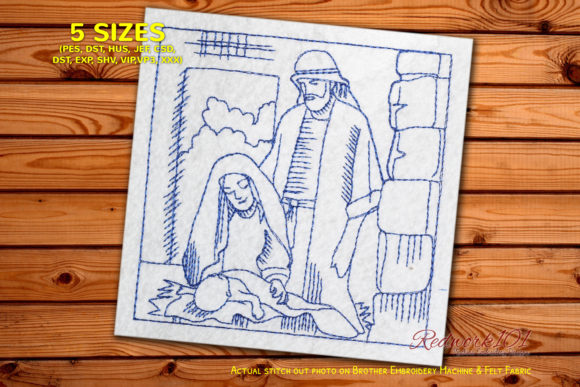
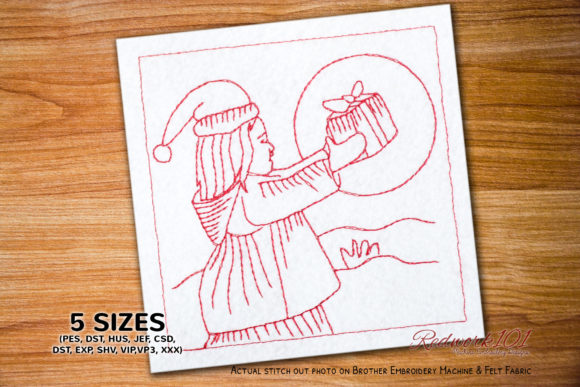
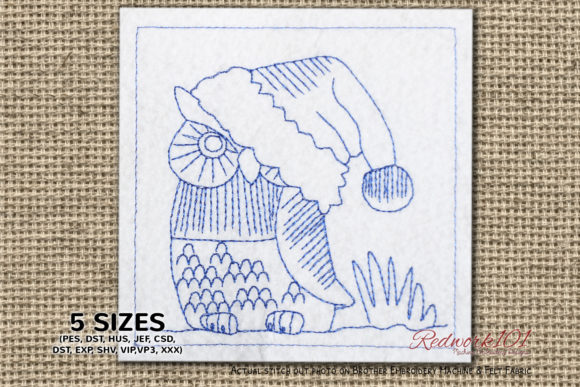
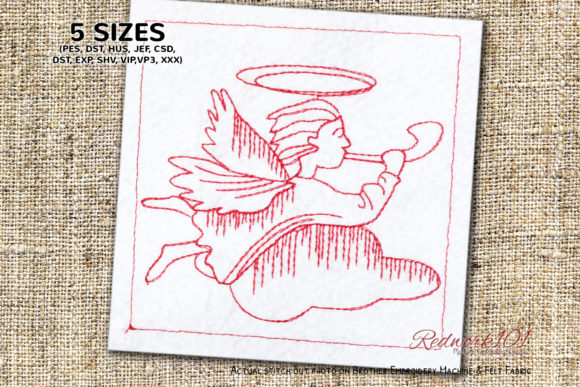
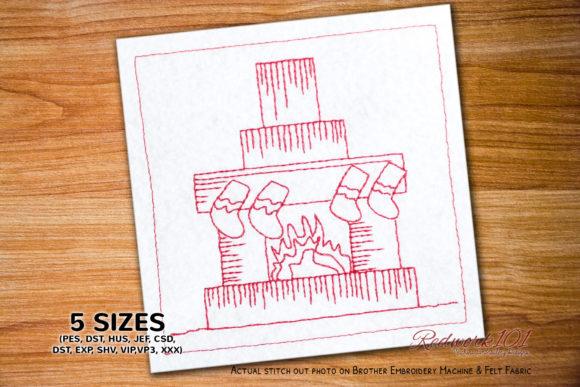
The Christmas Heater Bluework design strikes a rare balance. It feels festive without being cartoonish, elegant without feeling stiff. The bluework style gives it a hand-drawn, storybook quality that reminds me of vintage holiday illustrations, but the composition reads clean and current. This is the kind of holiday embroidery that works on a rustic barnwood sign and a sleek minimalist sweatshirt alike. The decorative detail level is moderate. It has enough visual interest to stand alone on a pillow cover or tote bag, yet it remains simple enough to pair with other elements like names, dates, or border stitches. That optional Box Stitch outer frame is a smart design choice. It lets you scale the formality up or down depending on your product. Skip it for an airy, open look on kitchen towel embroidery, or keep it for a more finished, gift-ready appearance on an embroidered patch or ornament.
The color direction in Christmas Heater Bluework is clearly designed for blue and white or blue and cream palettes. That monochromatic approach is powerful for seasonal embroidery collections because it coordinates easily with other items. A customer can buy a bluework sweatshirt embroidery piece and pair it with a red and green plaid item without clashing. The emotional tone is warm, nostalgic, and slightly whimsical. It makes me think of Christmas morning by the fire, not a department store display. That feeling is exactly what handmade gift buyers are searching for when they browse Etsy shops in November and December.
Real Performance Across Holiday Selling Channels
I have stitched Christmas Heater Bluework on multiple fabric types, and I want to share how it behaves in real production. On a mid-weight cotton sweatshirt, the design sits beautifully. The stitch density is comfortable. I did not see puckering or excessive stiffness, which matters for apparel that will be worn and washed. For tote bag design, the bluework style holds up well because the open areas in the motif prevent the fabric from becoming too stiff. The design also performs nicely on linen and cotton-blend kitchen towels. The moderate level of detail means the design reads clearly even at a distance, which is essential for small shop product displays at craft fairs or in online product mockups.
When I stitch Christmas Heater Bluework on dark fabric, I recommend using a white or light blue bobbin thread and testing the upper thread tension carefully. The design relies on contrast between the stitch and the fabric. On a navy or black base, a bright white or icy blue thread makes the holiday embroidery pop dramatically. This is a strong option for limited edition apparel or family matching items where you want a coordinated but sophisticated look. For pillow cover and embroidered patch applications, the optional Box Stitch adds a finished border that mimics a traditional embroidery hoop frame. That detail increases the perceived value and giftability of the finished product. Customers see that border and immediately understand the piece is intentional, complete, and ready to display.
Where to Use Christmas Heater Bluework Carefully
No design is perfect for every application, and Christmas Heater Bluework has a few considerations worth noting. If you are working with small hoop size limitations, check the file dimensions before committing. The design relies on open space and linework, so scaling it down too far may cause the details to close up and lose that airy bluework character. I recommend testing a small machine embroidery design version on fabric before offering it on baby bibs or ornaments. Tiny lettering or very fine details in the motif may not stitch cleanly below a certain size. If your hoop size cannot accommodate the full design at a reasonable scale, consider offering it on larger items like aprons, table linens, or sweatshirt embroidery pieces where the design has room to breathe.
Another area to approach with care is fabric texture. Thick towels, fleece blankets, and heavily textured knits can swallow the fine lines of bluework embroidery. The design relies on visible stitch definition. On a looped terry towel, the stitches may sink into the fabric and lose clarity. If you plan to use Christmas Heater Bluework on kitchen towel embroidery or bath towels, use a lightweight cutaway stabilizer and consider testing with a slightly thicker thread weight. For stretchy garments like ribbed cuffs or performance fleece, stabilize the fabric firmly to prevent distortion of the motif. Curved caps and beanies also require careful hooping and stabilizer choice to keep the design centered and undistorted.
I also recommend thinking about repeated washing if you are selling finished products. The bluework style typically uses single-color thread, which simplifies care. But the open nature of the design means the stitches are more exposed to abrasion. For items that will be washed frequently, such as aprons and table linens, use a quality polyester or rayon thread that resists fading and fraying. Avoid metallic thread for this design in high-wash applications, as the metallic coating can wear off over time and dull the crisp bluework look.
Seasonal Appeal, Buyer Emotion, and Product Value
In the crowded holiday market, Christmas Heater Bluework stands out because it does not scream. It whispers. That tonal quality is rare in holiday embroidery designs. Most holiday motifs rely on bold colors and heavy fills to communicate "Christmas." This design takes a quieter route, and that is exactly why it builds customer trust and brand consistency for sellers who focus on timeless, handmade aesthetics. Buyers who choose bluework are often looking for something that feels personal and artistic rather than mass-produced. They want a personalized gift that shows thoughtfulness. This design delivers that perception immediately.
When I create product mockups for my Etsy listings, Christmas Heater Bluework photographs beautifully. The single color and clean lines mean it reads well on screen, even at thumbnail size. That is a huge advantage for Etsy seller listings where visual clarity drives clicks. For social media previews and printable promotional graphics, the design works as both a standalone image and a background element. I have used it in flat-lay photos with evergreen sprigs and vintage books, and it always draws engagement. The nostalgic mood resonates with shoppers scrolling for gift ideas.
For gift bundles and limited edition apparel, the design coordinates with a wide range of colors. Because it is monochromatic, it does not compete with other patterns or textures. A tote bag design in bluework pairs naturally with a plaid scarf or a solid wool coat. That versatility makes it easier for you to create matching family items or build a cohesive seasonal embroidery collection without constantly changing thread colors. The digital embroidery file format also allows for easy scaling and placement adjustments, so you can offer the same design on pillow covers, aprons, and ornaments with minimal rework.
Practical Embroidery Designer Notes for Christmas Heater Bluework
After multiple test stitches, here are my practical notes for anyone adding Christmas Heater Bluework to their seasonal product lineup. First, test your thread colors on both light and dark fabric before committing to a final palette. The bluework style is defined by its color story. A soft cornflower blue on cream reads antique and romantic. A vivid cobalt on white reads crisp and modern. A pale gray-blue on natural linen reads rustic and understated. Each combination changes the emotional tone of the finished product, so sample widely before you launch.
Second, check the stitch density on your own machine. While the design stitched cleanly for me, different fabric and stabilizer combinations can affect how the design sits. If the density feels too heavy for your chosen fabric, consider increasing the hoop size slightly to spread the stitches over a larger area. If the density is too light, you can layer the design with a subtle fill or add the optional Box Stitch to give it more presence. Always stitch a test sample on the actual fabric you plan to sell, not just on muslin.
Third, confirm your commercial embroidery licensing before listing finished products. The machine embroidery design file itself is protected. Make sure you have the right to sell the finished product in your shop. This is a step I never skip, and it protects both my business and my customers. If you are unsure, contact the designer directly. A clear license gives you confidence to scale your production during the busy holiday season.
Finally, plan your matching color palettes for the entire collection. Christmas Heater Bluework works beautifully with natural materials like linen, cotton, and wool. Pair it with wooden buttons, brass zippers, and kraft paper packaging for a cohesive handmade look. For printable mockups, use warm lighting and neutral backgrounds to let the bluework design take center stage. These small presentation choices reinforce the premium, thoughtful feel that makes handmade gifts so desirable during the holidays.
As I wrap up this review, I am confident Christmas Heater Bluework will be a strong addition to any seasonal collection. It offers the emotional warmth customers want, the stitching reliability sellers need, and the visual versatility that works across sweatshirt embroidery, tote bag design, kitchen towel embroidery, pillow covers, embroidered patches, aprons, table linens, and ornaments. For Etsy sellers, small business owners, and digital embroidery file buyers planning their holiday lineup, this design deserves a close look. Stitch a sample, test your colors, and let the quiet charm of bluework speak for itself.