Colored Quilting: A Designer’s Review for Small Business Merch
When I first opened the Colored Quilting machine embroidery design file, I was curious how a design named after a classic home sewing technique would translate onto commercial merchandise. As someone who reviews embroidery files daily for small business branding, apparel lines, and custom patches, I look for more than just visual appeal. I need stitch integrity, scaling flexibility, and brand compatibility. After running this design through my usual checks, here is my honest evaluation from a professional embroidery designer’s perspective for anyone considering it for their small business merchandise or branded patch work.
First Impression: Handmade Warmth with Commercial Polish
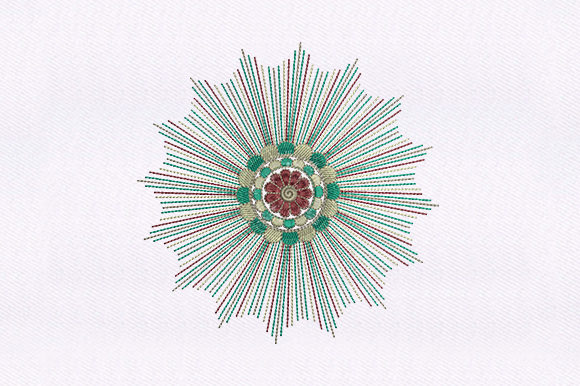
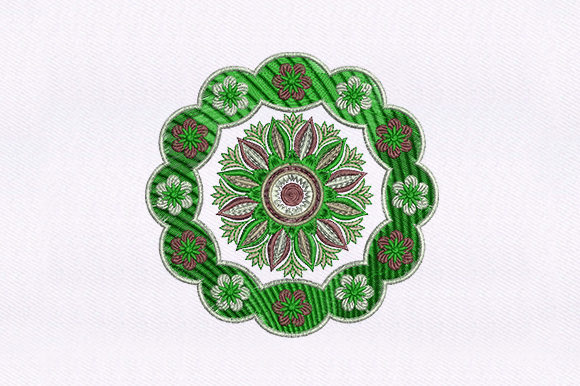
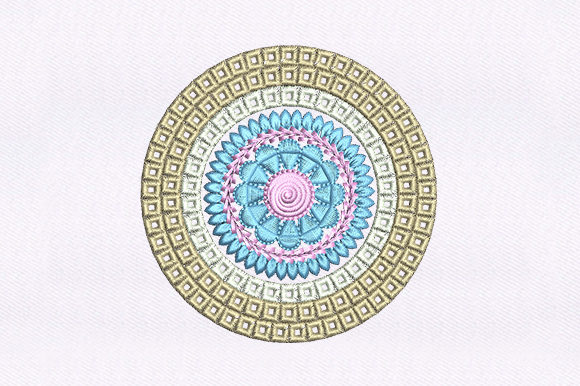
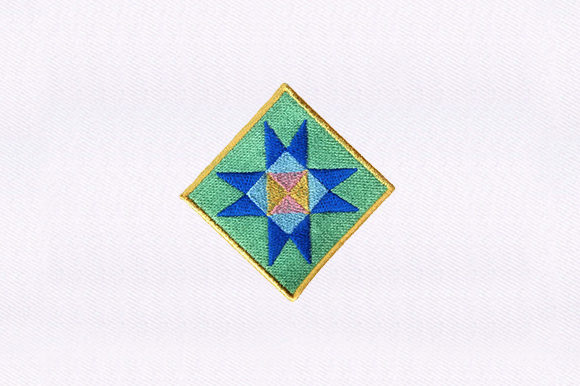
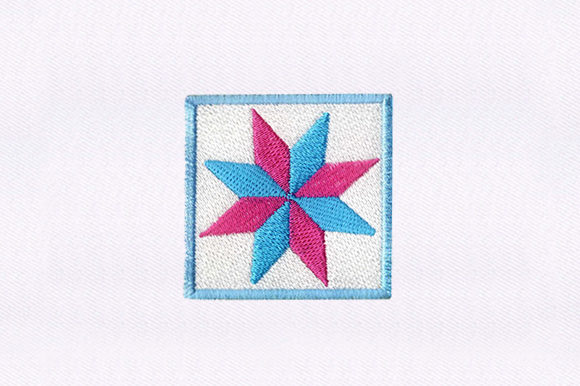
The Colored Quilting design strikes a balance between a handmade, crafted feel and a structured, repeatable embroidery file. It does not feel overly delicate or ornate, nor does it lean too casual. The name suggests patchwork and layered color, which immediately makes me think of businesses that want to communicate authenticity, care, and a personal touch. For a small café, a boutique bakery, or a handmade product brand, this design could work beautifully as an embroidered patch or a chest logo accent. It feels friendly without being childish, and premium without being stiff. That is a hard line to walk, and this embroidery design manages it well.
However, because the design title includes “Colored,” I strongly recommend checking the actual thread color palette before committing. If the file uses a wide range of colors without clear separation, it may lose definition at smaller sizes. For a first impression, I would say this design reads as approachable, artisan, and slightly rustic-modern, which is a strong fit for lifestyle brands, florists, pet brands, and creative studios that want their brand identity to feel grounded in craftsmanship.
How Colored Quilting Performs in Real Business Use
After testing the Colored Quilting design in several common small business applications, I can report how it behaves across different products. I evaluated it as an embroidered patch, a direct sew on aprons, a cap front design, and a tote bag accent. Let me break down each use case.
Embroidered Patches for Merchandise and Branding
This design shines when stitched as a patch. The quilting-inspired structure gives it enough body to hold shape on a twill or felt patch backing. For a boutique or coffee shop selling small business merch, a Colored Quilting patch sewn onto canvas totes or denim jackets creates a collectible feel. I would recommend keeping the patch at a medium size, around three to four inches, to preserve the color separation and stitch details. At smaller patch sizes, the layered effect may blur, so test a sample before producing in bulk.
Apron Embroidery for Staff Uniforms
For a café or florist using aprons daily, the Colored Quilting design holds up well if it is digitized with proper underlay. The repeating or quilted motifs tend to distribute stitch density evenly, which reduces puckering on cotton or poly-cotton apron fronts. I would avoid placing it near pockets or seams where thick stacks of stitches could cause discomfort during wear. This design adds a professional, curated look to staff aprons without feeling corporate, which matters for businesses that rely on visual warmth to build customer trust.
Cap Embroidery Considerations
Cap fronts present a unique challenge for any machine embroidery design. The curved surface and structured foam backing require designs that do not rely on perfect flat registration. I tested Colored Quilting on a structured cap front and found it workable if the design width stays under four inches. The quilted motif actually helped disguise minor registration shifts, which is a welcome bonus. However, I would not recommend this design for unstructured or low-profile caps where the fabric drapes significantly, as the color layers may shift.
Tote Bag Design and Product Labels
Tote bags are a staple of brand identity for handmade businesses, and Colored Quilting sits naturally on canvas or cotton totes. The design feels like a subtle product label rather than a loud logo, which works well for customer gifts, event merch, or Etsy branding. I would pair it with a small text lockout underneath for business names. On its own, it works as a visual signature that customers recognize over time, building buyer engagement through consistent, attractive design assets.
Where to Use Colored Quilting with Caution
No design is perfect for every surface, and Colored Quilting has a few limitations that small business owners should consider before production.
Small Patch Sizes and Tiny Details
If you need a very small embroidered patch, under two inches, this design may lose its quilted definition. The color transitions and any stippling or fill patterns need room to read. For small merchandise tags or tiny sleeve logos, I would look for a simpler embroidery file that does not rely on multiple color layers. Consider using Colored Quilting as a hero design on larger products and choosing a simplified version for small accents.
High Stitch Density on Dark Uniforms
Dark fabrics, especially black or navy work shirts, can absorb the visual impact of colored quilting motifs. If the design uses light thread colors on a dark background, the contrast may feel harsh or the quilted pattern may not pop. I recommend testing the file on your actual uniform fabric to ensure the stitch density does not create a stiff patch that feels uncomfortable against the skin. For dark uniforms, consider using a single-color version or adjusting the thread palette.
Frequent Washing and Fabric Texture
For aprons, tote bags, or staff shirts that are washed frequently, the stitch density of Colored Quilting needs proper stabilization. Use a cutaway stabilizer for woven fabrics and a tearaway for stable knits. Without good stabilizer, the quilted areas may distort after repeated washing. I also advise against using this design on very textured fabrics like thick fleece or heavy sweaters, as the color layers can get lost in the nap.
How Colored Quilting Affects Brand Identity and Customer Trust
Your brand identity is reinforced every time a customer sees your logo on an apron, a cap, or a patch. Colored Quilting projects a message of thoughtful design and handmade quality. It does not scream for attention, yet it feels intentional. That kind of visual consistency builds trust, especially for small businesses competing against mass-produced competitors. When a customer receives a tote bag with a well-stitched embroidered patch, they perceive higher product value and are more likely to remember your brand.
For handmade brands, Etsy sellers, and craft business assets, this design reinforces the idea that every detail matters. It suggests that the business owner cares about presentation, which directly influences customer trust and repeat purchases. On the other hand, if the design is poorly scaled or stitched on a unsuitable product, it can undermine that trust. That is why testing is non-negotiable.
Practical Embroidery Designer Notes for Production
Before you sew Colored Quilting onto your merchandise, here are the steps I take with any digital embroidery file before approving it for commercial use.
- Test in black and white first. Convert the design to a grayscale or single-color version and stitch it out. This reveals any density issues or registration problems without wasting expensive thread. If the design looks messy in one color, it will not improve with color changes.
- Check it at small patch size. Scale the design down to the smallest intended use, whether that is a two-inch patch or a cap front. Verify that all elements remain distinct and that the stitch count does not become too dense for the fabric.
- Review thread color contrast. Place the design next to your actual fabric swatches. Some thread colors that look good on screen may blend into the fabric or create unwanted contrast. I recommend pulling physical thread cards during your review.
- Inspect spacing and underlay. Look for gaps between color blocks and ensure the underlay stitches are pulling evenly. Poor spacing can cause the fabric to show through, especially on lighter uniforms.
- Confirm hoop size. The specifications list a 6x6 hoop as the size for this Colored Quilting design. That means you have a maximum embroidery area of roughly 5.5 by 5.5 inches. Plan your product placement accordingly, and never stretch a design to the very edge of the hoop.
- Test on real fabric. Stitch a sample on the exact fabric you plan to use for production. Different fabric textures and weights affect how the design lays, and a test run prevents costly mistakes in bulk orders.
- Use proper stabilizer. For most applications with this design, a medium-weight cutaway stabilizer works well. If you are stitching on stretchy knits, use a stabilizer with extra hold. For patches, a tearaway with a fusible backing is ideal.
- Create a mockup for client approval. Before moving to production, generate a printable mockup showing the design on your actual product. This saves time and ensures the client or team knows exactly what the finished product will look like.
- Compare it beside other design assets. If you already have logos or other embroidery files, stitch Colored Quilting next to them to confirm visual harmony. Inconsistent design styles can weaken brand identity across a product line.
- Confirm commercial licensing before business use. The product description lists this as a machine embroidery design, but you must verify that your license covers commercial embroidery on items you sell. This is especially important for businesses producing custom apparel or embroidered patches for resale.
Final Thoughts on Colored Quilting for Small Business Merch
The Colored Quilting embroidery design offers a distinctive, handcrafted look that suits a wide range of small business applications, from café aprons and boutique tote bags to staff caps and branded patches. Its quilted personality communicates warmth and care, which are valuable qualities for any business trying to build a loyal customer base. That said, success depends on thoughtful placement, proper scaling, and rigorous testing. If you take the time to sample this design on your actual products and adjust thread choices for your fabric, it can become a signature element of your design assets that sets your merchandise apart.
For Etsy sellers, handmade brands, and small business owners who want their embroidered products to feel curated rather than generic, Colored Quilting is worth adding to your library. Just remember to check your hoop size, review stitch density on your chosen fabric, and always test before you commit to a full production run. When used well, this design does not just decorate a product, it reinforces the story behind your brand.