Green Quilting Design Review for Branded Merchandise
As an embroidery designer who has evaluated hundreds of machine embroidery design files for commercial use, I approach every new release with a practical eye toward business application. When I first opened the Green Quilting Design file, I knew immediately this was not just another decorative motif. The description promises a sophisticated look and a fresh feel, and for small business owners, apparel decorators, and handmade brands looking to elevate their merchandise, that promise matters. This review is written from my design studio perspective, focusing on how this embroidery file performs as a real business asset for custom apparel, embroidered patch production, and branded product labels.
First Impression: Sophistication Meets Versatility
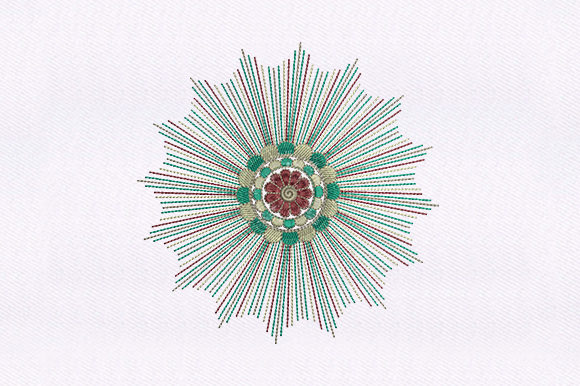
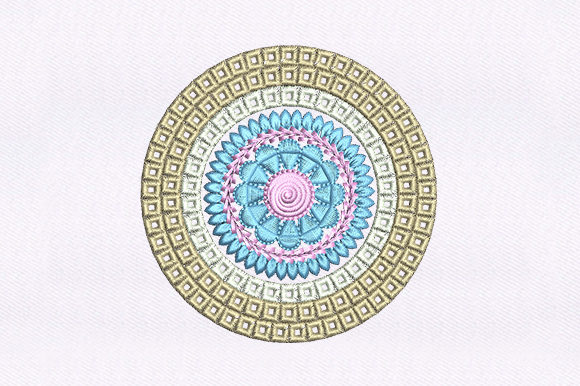
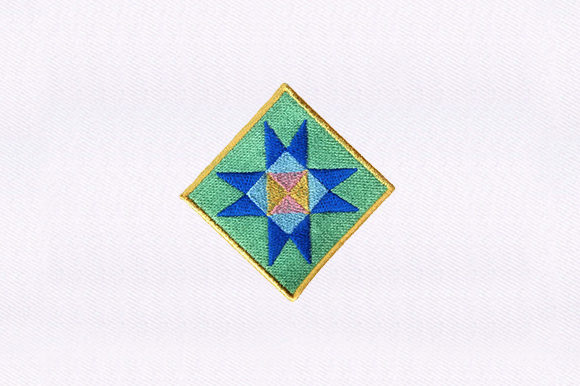
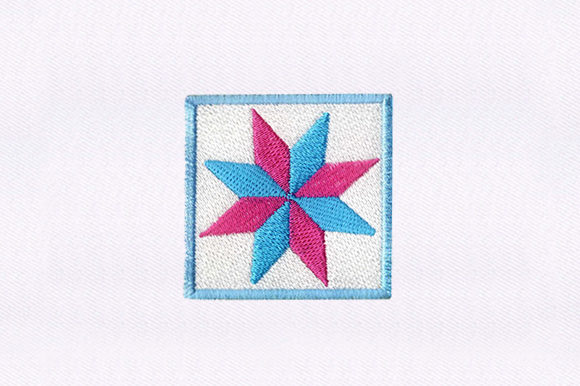
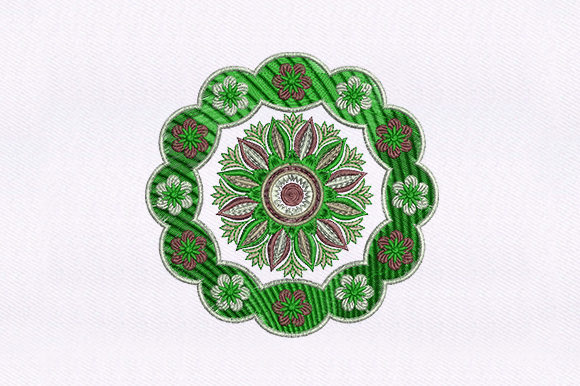
The Green Quilting Design carries an immediate sense of refined craftsmanship. The word quilting suggests layered texture and careful construction, which translates well into embroidery. The design feels both premium and approachable, blending a classic aesthetic with a modern freshness. For small business owners, this visual personality works across multiple brand identities. Whether your brand is a café, boutique, bakery, florist, creative studio, or pet supply shop, this machine embroidery design offers a polished, handmade quality that customers recognize as care and attention to detail. It does not scream loud or trendy; rather, it whispers quality. That makes it a strong candidate for small business merch that needs to feel professional without being cold, and friendly without being casual.
For Etsy sellers and product designers, the design’s versatility is immediately appealing. It can serve as a standalone logo accent or integrate into a larger composition. The fresh green tones are naturally associated with growth, nature, and sustainability, which aligns well with eco-conscious brands, organic product lines, or businesses emphasizing handcrafted values. In a commercial embroidery context, first impressions matter because they determine how the design translates to real fabric, thread, and stabilizer. This design passes the initial gut check: it looks like it wants to be stitched out.
Business Use Scenarios: Where Green Quilting Design Shines
From my experience testing digital embroidery file assets for real clients, I can see the Green Quilting Design fitting into several high-impact business applications.
- Embroidered patches: The design’s detail-friendly structure makes it ideal for patch production. Whether sewn onto aprons, caps, or tote bags, a patch version of this design carries a tactile, premium feel. For handmade brands and craft businesses, patches create removable, collectible merchandise that customers love.
- Staff uniforms and apron embroidery: For cafés, bakeries, and florist shops, uniform embroidery needs to be visible but not overwhelming. Green Quilting Design, with its sophisticated look, sits beautifully on a chest pocket or apron bib. It adds a fresh, professional touch that builds brand identity without distracting from the service.
- Cap embroidery: Cap fronts are curved and limited in space. This design, when sized appropriately, can work as a small logo or side accent. The key is to test stitch density and thread colors against the cap fabric. I recommend using a mockup first.
- Tote bag design: Tote bags are a staple of small business merch. The Green Quilting Design can serve as a centerpiece or a repeating pattern accent. Its fresh feel works well on canvas, cotton, and even linen blends. For Etsy sellers, this is a strong candidate for custom orders.
- Product packaging accents: Embroidery on labels, hang tags, or small fabric inserts adds a handmade touch that elevates the unboxing experience. This design fits that niche perfectly.
For custom apparel decorators and embroidery shops, offering this design to clients opens up conversations about color variation, placement, and branding consistency. It is versatile enough to serve as a signature mark across multiple product lines.
Where to Use Carefully: Practical Production Notes
No design is perfect for every surface or size. The Green Quilting Design, like any detailed machine embroidery design, requires thoughtful application. Based on my experience, here are areas where caution is warranted.
- Small patch sizes: If you reduce this design below a certain scale, fine details may become muddy or lose definition. Always test the file at your intended finished size before production. A stable hoop size and appropriate stabilizer are critical.
- Curved surfaces: Cap fronts, sleeve cuffs, and curved bag panels can distort detailed embroidery. Use a floating method or additional stabilizer to maintain stitch registration.
- High stitch density areas: Quilting-inspired designs often have multiple layers of stitching. Check the stitch density to avoid puckering on lightweight fabrics. If density is high, consider using a cutaway stabilizer for structured fabric texture.
- Dark uniforms: Green thread colors can appear differently on dark backgrounds. Test thread color contrast thoroughly. A white or light underlay may help, but always run a sample stitch-out.
- Frequent washing: For items like aprons or work shirts that see heavy washing, use high-quality thread and appropriate stabilizer to prevent distortion over time.
Additionally, if the design includes fine outlines or tiny lettering, those elements may be lost at small sizes. Consult your embroidery file specifications before committing to production. If exact stitch count, file format, and hoop size are not provided in your file details, verify them with the supplier before stitching.
Brand Identity, Trust, and Customer Recognition
For small business owners, every design choice on merchandise communicates something about your brand. The Green Quilting Design contributes to brand identity by projecting sophistication, care, and a fresh aesthetic. Customers who see consistent, high-quality embroidery across your uniforms, tote bags, and patches will associate that attention to detail with your products and service. This builds trust and recognition over time.
In the context of handmade products, a well-executed embroidered patch or apron logo signals that your brand values craftsmanship. For creative studios and boutique shops, this design reinforces a premium without being elitist. The fresh green tones also suggest growth, renewal, and environmental awareness, which many modern consumers respond to positively. When applied consistently across small business merch and product packaging, the design becomes a visual anchor that customers recognize instantly.
From a buyer engagement perspective, the finished product quality directly affects perceived value. A patch that lays flat, threads that hold color, and placement that sits naturally on fabric all contribute to a customer’s impression that your brand is professional and reliable. The Green Quilting Design, when properly stitched, delivers that impression.
Practical Designer Notes for Production Success
Before you run this machine embroidery design on your first client order or merchandise batch, here are my tested recommendations.
- Test in black and white first: Before committing to full-color thread, run a monochrome sample to evaluate the design’s structure, spacing, and stitch quality. This reveals any density or registration issues early.
- Check thread color contrast: The fresh green tones work best against neutral or light backgrounds. Test against the actual fabric you plan to use.
- Inspect spacing and underlay: Quilting designs rely on precise spacing. Ensure underlay stitches are adequate for your stabilizer and fabric combination.
- Confirm hoop size: Make sure the design fits comfortably within your smallest hoop while allowing room for fabric movement.
- Test on real fabric: Nothing replaces a stitch-out on your actual production material. Fabric texture affects how every design looks and feels.
- Create a printable mockup: For client approvals, produce a mockup that shows the design on the actual garment or product. This saves time and builds trust.
- Compare with other design assets: Ensure the Green Quilting Design visually aligns with your existing brand elements, such as logos, fonts, and color palette.
- Confirm commercial licensing: Before using any digital embroidery file for sale or production, verify that your license covers commercial embroidery. This protects your business legally and ethically.
If you are an embroidery file buyer or Etsy seller, these steps ensure your finished product meets professional standards. Taking the time to test and validate before production saves money, materials, and client relationships.
Final Thoughts on Green Quilting Design for Business
The Green Quilting Design is a welcome addition to any small business owner’s design library. Its sophisticated, fresh aesthetic supports brand identity across custom apparel, embroidered patch projects, and tote bag design. While it demands careful testing on small scales and curved surfaces, the payoff in customer trust and perceived product value is significant. For embroidery shops, handmade brands, and product designers, this machine embroidery design offers a versatile, professional asset that elevates merchandise from ordinary to memorable. As always, test thoroughly, use proper stabilizer and hoop size, and confirm licensing before production. With those steps, Green Quilting Design can become a signature element in your business’s visual story.