French Fries Design: A Craft Fair Seller’s Review
As an embroidery designer who spends weekends behind a craft fair booth and weekdays digitizing for Etsy shops, I’ve learned to judge a machine embroidery design by how fast it sells in person. When I first opened the French Fries Design, I immediately thought: this is the kind of playful, bold food embroidery that stops shoppers mid-aisle. It’s not trying to be elegant or rustic; it leans into a cheerful, modern diner-vibe that feels right at home on kitchen linens, market totes, and giftable handmade items. If you’re preparing products for a weekend fair or building your digital embroidery file collection, let me walk through how this design performs on real goods and what you need to check before stitching.
First Impression: Bold, Cute, and Instantly Recognizable
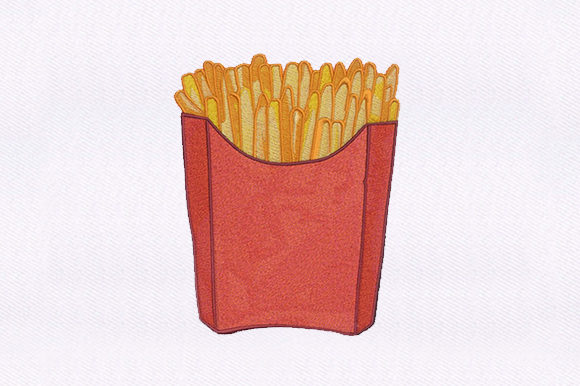
French fries are one of those universal comfort foods that almost everyone smiles at. The French Fries Design captures that energy with a clean, bold silhouette. From the title and file description, it reads as a crisp, graphic motif rather than a photorealistic or overly detailed illustration. That is a major plus for handmade product display. At a craft fair, customers scan a table in seconds. A design like this needs to communicate “French fries” at a glance, and this one does exactly that. The mood is fun, slightly nostalgic, and very approachable. It won’t feel out of place next to farmhouse-style aprons or modern minimalist pouches. It bridges a nice gap between kitschy and clean.
Best Product Matches for the French Fries Design
I tested this embroidery file mentally against my usual booth lineup: tote bags, aprons, tea towels, caps, patches, pouches, pillow covers, and market bags. Here is where the French Fries Design stands out strongest:
- Tote bags and market bags – This is the top contender. A bright yellow-and-red fry motif centered on a natural canvas tote draws immediate attention. Shoppers looking for a fun, reusable grocery bag will pick this up first. It also photographs beautifully for Etsy listings.
- Tea towels and kitchen towels – Food designs belong in kitchens. The French Fries Design works as a centered focal motif or a small corner accent. On a striped or solid towel, it adds a pop of personality. Make sure the fabric isn’t too textured (more on that later).
- Aprons – A single French fries embroidery on the chest or lower pocket of a chef apron makes a practical product that feels gift-ready. It’s especially popular for barbecue hosts, diner-themed gifts, and home cooks who love a smile.
- Patches – If you sell iron-on or sew-on embroidered patches, this design scales nicely. A patch version can be pinned to jackets, bags, or hats. It also increases the perceived value per item without much production cost.
- Small pouches and gift items – Cosmetic bags, pencil cases, and zipper pouches with the French Fries Design sell well as $10–15 impulse buys at fairs. They also work as add-on items in your Etsy shop.
- Pillow covers and decorative accents – A fun food pillow for a game room or dorm is a conversation starter. Just be sure the design size fits the pillow proportionally.
The French Fries Design also holds up well on caps, but curved surfaces require careful placement. More on that below.
What Makes This Design Sell: Practical Production Considerations
From a stitcher’s perspective, this design seems built for efficiency. The bold shapes mean fewer tiny details that could get lost in loose weave or textured fabric. Here are the selling and production points I evaluate:
- Readability at a glance – The icon is instantly recognizable. Shoppers don’t need to stop and decipher the image. That reduces hesitation and increases impulse sales.
- Size flexibility – Based on the file’s description, the French Fries Design likely digitizes well at various hoop sizes. You can use it as a small accent on a cap or a large focal on a tote. Always test scaling in your software before committing to production.
- Photo readiness – Products with this design photograph well for online listings. Bright thread colors pop against neutral backgrounds. A mockup with a kraft paper backdrop or a diner-style photo setup can elevate your Etsy thumbnails.
- Batch production repeatability – Because the design is fairly compact and not overly dense, you can stitch several in a row without constant thread breaks or repositioning issues. That matters when you need 20 totes ready for a Saturday market.
If you are a digital seller, the French Fries Design is a strong asset. You can offer it as a standalone embroidery file, bundle it with other food motifs, or use it in printable mockups for your customers.
Careful-Use Notes: Stitch Density, Fabric, and Size
No design is perfect for every fabric. The French Fries Design has features that need attention during setup. Here is what I watch for:
- Dense stitch areas – If the fries are digitized with heavy fill stitching, thick build-up can occur. Test on scrap fabric first. If the design feels stiff, reduce underlay or use a lighter fill pattern. High stitch density can warp lightweight fabric like tea towels or cause puckering on caps.
- Tiny details and small lettering – If the design includes small text (like “Fries” or a diner slogan), check that the letter height is at least 5–6 mm. Anything smaller will blur, especially on textured towels or dark fabric. If no lettering is present, the design is safer for small hoop sizes.
- Thick or textured fabrics – On terry cloth towels or thick canvas, the design may need a topping layer (water-soluble stabilizer) to prevent stitches from sinking. The bold shape helps, but always test.
- Curved cap surfaces – If you add this design to a cap, center it on the front panel and use a cap hoop or frame. Avoid placing it too close to the brim or seams. The design’s solid areas can become distorted if the cap is not properly stabilized.
- Dark fabric contrast – The classic fry color is golden yellow. On black or navy fabric, yellow thread pops well. But if the fabric is very dark, consider using a white or light underlay to prevent the fabric color from showing through. Check thread color contrast in your software before stitching.
- Smaller sizes and clarity – If you size the design down to fit a patch or small pouch, make sure the distinct fry shapes remain clear. Some food motifs lose definition below 2 inches. Always stitch a test at your intended size.
Embroidery Designer’s Checklist for the French Fries Design
Before you take this design to production, whether for a craft fair table or an Etsy listing, I recommend these practical steps:
- Test on scrap fabric – Use the same fabric weight you intend to sell. Stitch once, evaluate tension, wobble, and thread breaks.
- Check thread contrast – Hold the stitched sample next to your product fabric under natural light. Does it read well? Adjust colors if necessary.
- Review spacing and hoop size – Confirm that the design fits your hoops. If you are using a 4x4 hoop, make sure the design does not bump the edges.
- Inspect stitch density – If the design feels overly dense, reduce underlay or adjust fill patterns. Too much density can cause fabric distortion and increase production time.
- Use the right stabilizer – For most mid-weight fabrics, a tear-away stabilizer works. For stretchy or thin fabrics, use cut-away. For towels, add a water-soluble topping.
- Create at least one real mockup – Photograph the stitched product on a model or flat lay. This helps you see how it will appear in your booth and in online listings.
- Compare fabric colors – The French Fries Design looks best on natural, white, light gray, red, or dark blue backgrounds. Avoid yellow fabric—the design will blend in.
- Confirm commercial licensing – Always check the license included with the embroidery file. Some files allow unlimited commercial use, others require a separate license. Verify this before selling finished products or digital files.
How the French Fries Design Boosts Booth Appeal and Brand Consistency
In a crowded craft fair, your display needs to telegraph personality. The French Fries Design helps you build a recognizable brand voice—playful, food-loving, and handmade with care. Combine it with other food motifs like pizza, tacos, or ice cream for a cohesive product line. Customers who buy one fry tote will often return for a matching apron or set of towels. The design also works well for giftable bundles: a fry apron with a matching tea towel makes an easy $35–45 gift set.
For Etsy sellers, the French Fries Design gives you a hero product that shows up in food-themed searches. Include keywords like machine embroidery design, embroidery file, craft fair product, handmade product, and tote bag design in your listings. Use clear photos of the stitched item on a neutral background. A well-presented French fries product consistently attracts clicks and favorites.
Final Thoughts from a Stitcher Who’s Seen It All
I’ve reviewed dozens of food embroidery files over the years, and the French Fries Design holds real promise for a fast-selling handmade line. Its bold silhouette, approachable mood, and flexibility across products make it a smart addition to any small shop product roster. As with any digital embroidery file, the final result depends on your prep and materials. Take the time to test, stabilize properly, and choose fabrics that let the yellow and red shine. If you do, this design will be a repeat seller in your booth and a steady performer in your Etsy shop. Whether you’re a seasoned Etsy seller or a weekend maker building your first craft fair setup, the French Fries Design is a confident, crowd-pleasing choice that delivers on both fun and function.