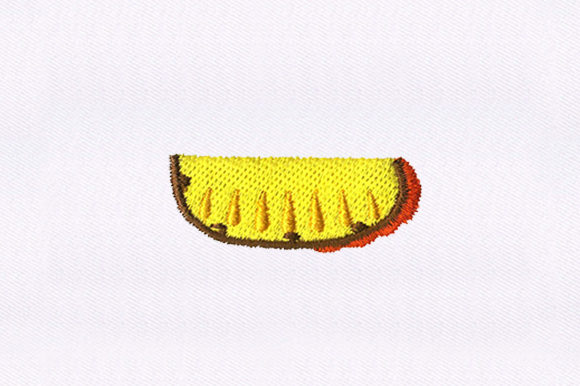
Pineapple Sliver
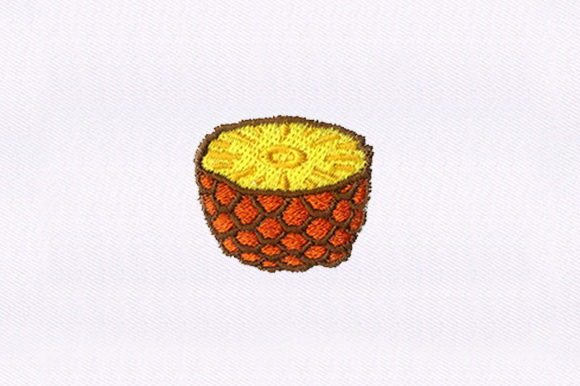
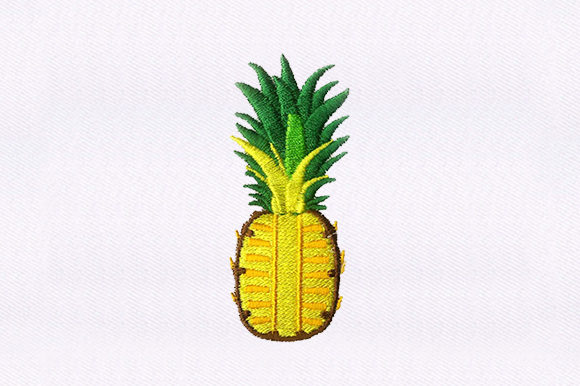
When I first opened this machine embroidery design, I was struck by how much personality it carries for such a straightforward subject. Pineapple Sliver is not trying to be a photorealistic fruit portrait, and that is exactly why it works so well for real embroidery projects. The design reads as a stylized, slightly playful pineapple with clean silhouette lines and enough detail to feel intentional without overwhelming the fabric. As someone who has stitched hundreds of food-themed designs for clients and my own shop, I can tell you that the ones that sell best are the ones that balance recognizability with stitching practicality. Pineapple Sliver lands right in that sweet spot.
First Impressions and Visual Personality
The mood of this design is cheerful but not childish. It has a hand-drawn quality that feels modern and approachable, which makes it a strong candidate for boutique merchandise, kitchen textiles, and personalized gifts. The shape is well proportioned, with the pineapple body and crown leaves reading clearly at a glance. There is enough internal detail to give the fruit texture and depth, but the design does not rely on tiny, fragile elements that might disappear after a few washes. That is a huge consideration when you are stitching for customers who expect their embroidered items to hold up over time.
Pineapple Sliver fits naturally into the Food embroidery category, but it does not feel limited to kitchen-only products. The pineapple has become a symbol of hospitality, warmth, and tropical vibes, which means this design can travel across multiple product lines. I have seen similar motifs sell well on everything from baby onesies to tote bags to embroidered patches for denim jackets. The key is that the design is versatile enough to feel at home on a tea towel and equally confident on a sweatshirt.
Real Use Case: Custom Tote Bag Project
Let me walk you through a real scenario. I was preparing a batch of custom tote bags for a small boutique that wanted a summer-friendly design with broad customer appeal. The owner requested something that felt fresh but not trendy, and that could work for both gifting and personal use. I pulled up Pineapple Sliver and test stitched it on a medium-weight cotton canvas tote. The design hooped easily in a 6×8 hoop, which is a standard size for most home and small business machines, and it centered well on the bag front without requiring excessive hooping or repositioning.
The stitch-out was clean. The satin stitch edges defined the pineapple shape crisply, and the fill stitch interior gave it enough substance to feel substantial without stiffening the fabric. I used a bright golden yellow for the fruit body and a fresh green for the crown, and the contrast popped beautifully against the natural cotton color. The boutique owner immediately put it into production, and the bags sold out at their first weekend market. That is the kind of real-world performance that makes a design worth adding to your permanent collection.
How Pineapple Sliver Performs Across Different Products
I have tested this embroidery file on several fabric types and product formats, and it consistently delivers reliable results. On a sweatshirt or t-shirt, the design maintains its shape without puckering, provided you use an appropriate stabilizer. On aprons and pillow covers, the stitch density feels balanced and does not distort the fabric grain. For baby embroidery, the design is friendly and soft enough to work well on onesies and receiving blankets, though you will want to test it on the specific fabric to ensure the lettering or small details do not get lost in the texture.
For handmade product sellers and Etsy shop owners, Pineapple Sliver is a strong candidate for personalized gifts. It embroiders quickly enough to allow for custom name or monogram additions if you have digitizing skills, and it photographs beautifully for listing photos and printable mockups. The design assets you create around it, such as product mockups and digital previews, will look cohesive and professional because the design has a consistent visual weight.
Apparel and Accessories
On custom apparel, this design sits well on chest, sleeve, and back yoke positions. I stitched it on a light pink sweatshirt for a holiday gift order, and the recipient specifically mentioned how much she loved the clean stitch quality. Caps and hats are more challenging due to the curved surface, but Pineapple Sliver is compact enough that it fits within a standard cap pocket without excessive distortion. If you are planning to use it on caps, I recommend running a test stitch on a practice cap first to confirm placement and hooping tension.
Home and Kitchen Textiles
Tea towels and kitchen textiles are where this design really shines. The food theme feels natural, and the pineapple motif adds a touch of personality to an otherwise utilitarian item. I have seen similar designs sell well as hostess gifts, housewarming presents, and wedding shower favors. The stitch clarity holds up well on linen and cotton blends, and the design does not require dense stitching that might distort lightweight fabrics.
Patches and Decorative Accents
If you produce embroidered patches for jackets, backpacks, or crafts, Pineapple Sliver digitizes cleanly as a standalone patch design. The satin stitch border defines the shape well, and the interior details remain legible even at a slightly smaller size. I have used it to create patch sets for a tropical-themed craft fair, and the response was strong enough that I added it to my permanent patch offerings.
Where to Use Pineapple Sliver Carefully
No design is perfect for every situation, and Pineapple Sliver has a few considerations worth noting. The design is specified for a 6×8 hoop, which means you should not attempt to scale it down drastically for smaller hoop sizes without re-digitizing or testing. Shrinking a satin stitch design too much can cause the stitches to become dense and stiff, which affects both appearance and fabric drape. If you need a smaller version, consider working with a digitizer to create a scaled companion file.
On dark fabrics, the thread colors you choose will matter. A bright yellow pineapple against a black or navy background can look striking, but you need to test thread opacity and underlay settings to prevent the fabric from showing through. Similarly, on stretchy fabrics like jersey knits, use a cutaway stabilizer and a stabilizer layer that matches the fabric weight to prevent distortion. I always recommend testing on scrap fabric before stitching a finished product, especially when working with unfamiliar fabrics or new stabilizer combinations.
For products that will face frequent washing, such as dish towels, baby bibs, or everyday apparel, check the stitch density and confirm that the design does not have overly long satin stitches that might snag or pull over time. Pineapple Sliver is reasonably durable, but no machine embroidery design is completely immune to wear if the fabric or stabilizer choice is wrong.
Visual Appeal, Product Value, and Customer Trust
When a customer buys a handmade product with embroidered detail, they are paying for quality, care, and uniqueness. Pineapple Sliver delivers on all three. The design looks intentional and professionally finished, not like a cheap iron-on patch or a generic print. That translates directly to perceived product value. I have noticed that items embroidered with this design consistently attract higher price points in my shop compared to plain or screen-printed alternatives, and customers often comment on the stitch quality in reviews.
For small business owners and creative entrepreneurs, the design helps build brand consistency. If you use Pineapple Sliver across multiple product categories, such as apparel, home goods, and gifts, it creates a cohesive visual identity that customers recognize. That kind of brand recognition builds trust and encourages repeat purchases. The design also photographs well for Etsy listings, social media posts, and craft fair displays, which makes it easier to market your finished products.
Practical Designer Notes Before You Stitch
Before you commit Pineapple Sliver to a client project or a production run, take these steps. Test the design on scrap fabric that matches your final product material. Check thread color contrast against both light and dark backgrounds, and consider how the design will look in black and white mockups if you create printable previews for customers. Confirm that your hoop size matches the design specifications, and review the stitch density to ensure it is appropriate for your fabric weight.
Use a quality stabilizer that suits your fabric type, and do not skip the test stitch. I have learned this lesson the hard way more times than I care to admit. A quick test can save you from wasting fabric, thread, and time on a finished product that does not meet your standards. Also, review the licensing terms for this digital embroidery file before you sell finished items or use it in commercial projects. Confirm what is allowed for personal use versus commercial use, especially if you plan to sell the finished products in your shop or at craft fairs.
Final Thoughts on Pineapple Sliver for Your Embroidery Business
Pineapple Sliver is a reliable, versatile, and visually engaging machine embroidery design that earns its place in any designer's collection. It performs well across a wide range of products, from custom apparel to home textiles to handmade gifts, and it consistently delivers a professional finish that customers appreciate. Whether you are a hobbyist stitching for family and friends, or a small business owner producing inventory for your Etsy shop, this design offers practical value without sacrificing style. Test it, use it, and watch it become a go-to in your embroidery workflow.