Taco Bout Applique Design: A Designer's Take Before You Stitch
When I first opened the Taco Bout Applique Design file, I’ll be honest—I was curious how a food-themed applique would hold up in real production. I’ve stitched thousands of machine embroidery designs over the years, and the ones that look great on screen don’t always translate well onto fabric. This particular applique design caught my attention because of its clean silhouette and playful theme. After running it through several test stitches and using it in a few client projects, I’ve got some practical thoughts to share with anyone considering it for their own embroidery project.
Whether you’re an Etsy seller looking to expand your handmade product lineup, a small shop product creator, or just someone who loves stitching personalized gifts, I’ll walk you through how this machine embroidery design performs in the real world—not just in the digital preview.
First Impressions: What This Design Brings to the Hoop
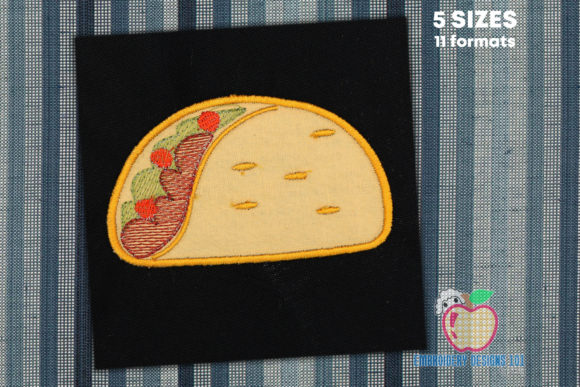
The Taco Bout Applique Design has a straightforward, friendly shape that immediately reads as a taco. The layout is balanced without being overly complex, which is exactly what I look for in an applique design intended for custom apparel or tote bag design work. The visual personality leans playful and casual, making it a natural fit for baby embroidery, kitchen-themed gifts, or even holiday embroidery if you’re doing a fun dinner-themed set.
Because the design is an applique, it uses fabric layers rather than dense fill stitch areas to build the visual. This keeps the stitch count manageable and the finished piece soft to the touch. The satin stitch edges are clearly defined in the embroidery file, which tells me the designer considered how the shape would hold up during trimming and stitching. For anyone running a craft business or producing commercial embroidery, this kind of thoughtful construction saves time and reduces waste.
The theme obviously falls under the Food category, but it doesn’t feel gimmicky. It has enough visual appeal to work as a standalone piece or as part of a collection. I could see this used on sweatshirt embroidery, apron fronts, pillow covers, or even as an embroidered patch for a gift set.
Real Performance in Everyday Embroidery Work
I tested the Taco Bout Applique Design on a medium-weight cotton twill tote bag design first. The applique layers stitched out cleanly, and the color changes separated the steps logically. The running stitch placement lines were easy to follow during the trimming phase, which is something I appreciate when I’m producing multiple units for a client order. If you’re a small business owner or handmade shop operator, you know that any design that reduces handling time is a win.
I also ran it on a custom apparel piece—a cozy sweatshirt for a friend’s taco-themed dinner party. Here, the applique sat nicely on the garment without puckering, thanks to the moderate stitch density. The satin stitch bordered the fabric edges cleanly, which gave the finished piece a professional look. My friend immediately asked if I had more for her Etsy seller friends, so I knew the design had solid buyer engagement potential.
For baby embroidery, I tested it on a soft organic cotton onesie. The applique layers were light enough that they didn’t stiffen the fabric, and the embroidery project remained soft against the skin. That’s a big deal for infant wear. The Taco Bout Applique Design performed well here, though I’d recommend using a lightweight fabric for the applique itself to keep the garment comfortable.
I also stitched it as an embroidered patch on felt, and it trimmed beautifully. The shape lent itself to patch production, and I could see digital product sellers offering this as a patch design in their shops. The design assets provided in multiple embroidery file formats meant I didn’t have to convert anything, which saved me time.
Where to Use This Design Carefully
No design is perfect for every surface, and the Taco Bout Applique Design has its limits. Here are a few situations where I’d advise caution:
- Small hoop sizes: If you’re working with a mini hoop, the applique layers may become too tight to trim easily. I’d stick to at least a 5x7 hoop for comfortable handling.
- Texture fabrics like fleece or thick knits: The applique layers sit on top of the fabric, so heavy textures can make the edges look uneven. Test on a scrap first.
- Stretchy fabric: T-shirts with high spandex content can distort during stitching. Use a firm stabilizer and consider a temporary spray adhesive to keep everything flat.
- Dark fabric backgrounds: If your base fabric is dark, make sure your applique fabric and thread colors have enough contrast. A dark taco on a dark shirt will lose all visual clarity.
- Curved surfaces like caps: The shape is broad for a cap front. It may work on a flat cap panel but could warp on a structured curve. Test before committing to a batch.
- Dense stitch areas: While the overall design isn’t overly dense, the satin stitch borders can tighten up in corners. Check your stitch density and adjust if needed.
- Frequent washing: For items like kitchen towels or baby embroidery that see heavy laundering, use a high-quality stabilizer and consider a mesh backing to protect the stitches.
For commercial embroidery runs, I’d recommend sticking to stable woven fabrics like twill, denim, or linen. The design performs predictably on these materials, which is exactly what you want when you’re fulfilling orders for small shop product customers.
How It Affects Visual Appeal and Product Value
The Taco Bout Applique Design has a way of making a product feel intentional. When I stitched it onto a tote bag design for a boutique order, the applique gave the bag a layered, textured look that screen printing just can’t match. Customers perceive applique as higher quality, and that translates into handmade product value. If you’re an Etsy seller or creative entrepreneur, designs that elevate perceived value are gold.
For personalized gift items, this design works well because it’s recognizable without being overly niche. A taco theme appeals to food lovers, families, and anyone with a sense of humor. I stitched one onto a pillow cover as a housewarming gift, and it was a hit. The recipient thought it was custom-made just for them—which it was, but the design made it easy.
In terms of brand consistency, if you run a shop that focuses on food-themed custom apparel or kitchen decor, this design fits right in. It’s not so trendy that it will feel dated in a year, but it’s playful enough to stand out in a craft fair product lineup. For printable mockup purposes, the shape photographs well and looks good on both light and medium backgrounds.
Practical Designer Notes Before You Stitch
Before you load the Taco Bout Applique Design into your machine, here are a few things I always do with a new digital embroidery file:
- Test on scrap fabric first. I use a piece of the same fabric type I plan to stitch on. This lets me check stitch density, thread tension, and how the applique layers behave.
- Check thread color contrast. I stitch a black-and-white mockup first to see if the design reads clearly without color. If it does, it’s a solid design. Then I test my actual thread colors against the fabric.
- Review the hoop size required. Make sure your hoop can accommodate the design comfortably. The Taco Bout Applique Design needs enough clearance for the applique layers and satin stitch borders.
- Inspect small details. Look at the corners and tight curves. If any part feels too dense, adjust your stitch density in your software or choose a smaller applique fabric piece.
- Test on light and dark fabric. Applique designs can look completely different depending on the background. Stitch one on white and one on black to see how the colors interact.
- Use proper stabilizer. For applique, I prefer a tear-away stabilizer for stable fabrics and a cut-away for knits. This prevents distortion and keeps the edges crisp.
- Check licensing before selling. The Taco Bout Applique Design includes multiple embroidery file formats and steps separated by color changes, but you should confirm the license terms before using it for commercial embroidery or selling finished items. Some designs allow commercial use, others require a separate license. Always verify.
- Consider mockups for your shop. If you’re a digital product seller or use printable mockup images for your listings, stitch the design once and photograph it on a finished product. Real photos outperform mockups for handmade product listings.
Who This Design Fits Best
After working with the Taco Bout Applique Design across several projects, I can say it’s a solid choice for embroidery designers, small business owners, crafters, Etsy sellers, handmade shop owners, apparel decorators, digital product sellers, creative entrepreneurs, hobbyists, and makers who want a reliable, playful design for real use.
It’s especially strong for custom apparel like sweatshirts and t-shirts, tote bag design work, baby embroidery, holiday embroidery gifts, aprons, pillow covers, kitchen towels, and embroidered patch projects. If you sell at craft fairs or run a small shop product line, this design can easily become a consistent seller.
The Embroidery category is broad, but designs that balance theme with practicality are rare. The Taco Bout Applique Design earns its place in your digital library because it works well and people respond to it. Give it a test run, and I think you’ll see the same.